Hydraulic Drilling Rig System: Components, Maintenance and Model Selection
A hydraulic drilling rig should be selected by the complete working system, not by the word hydraulic alone. Buyers need to compare rotation, feed, lifting, cooling, drilling tools, geology and service capability before choosing a model.
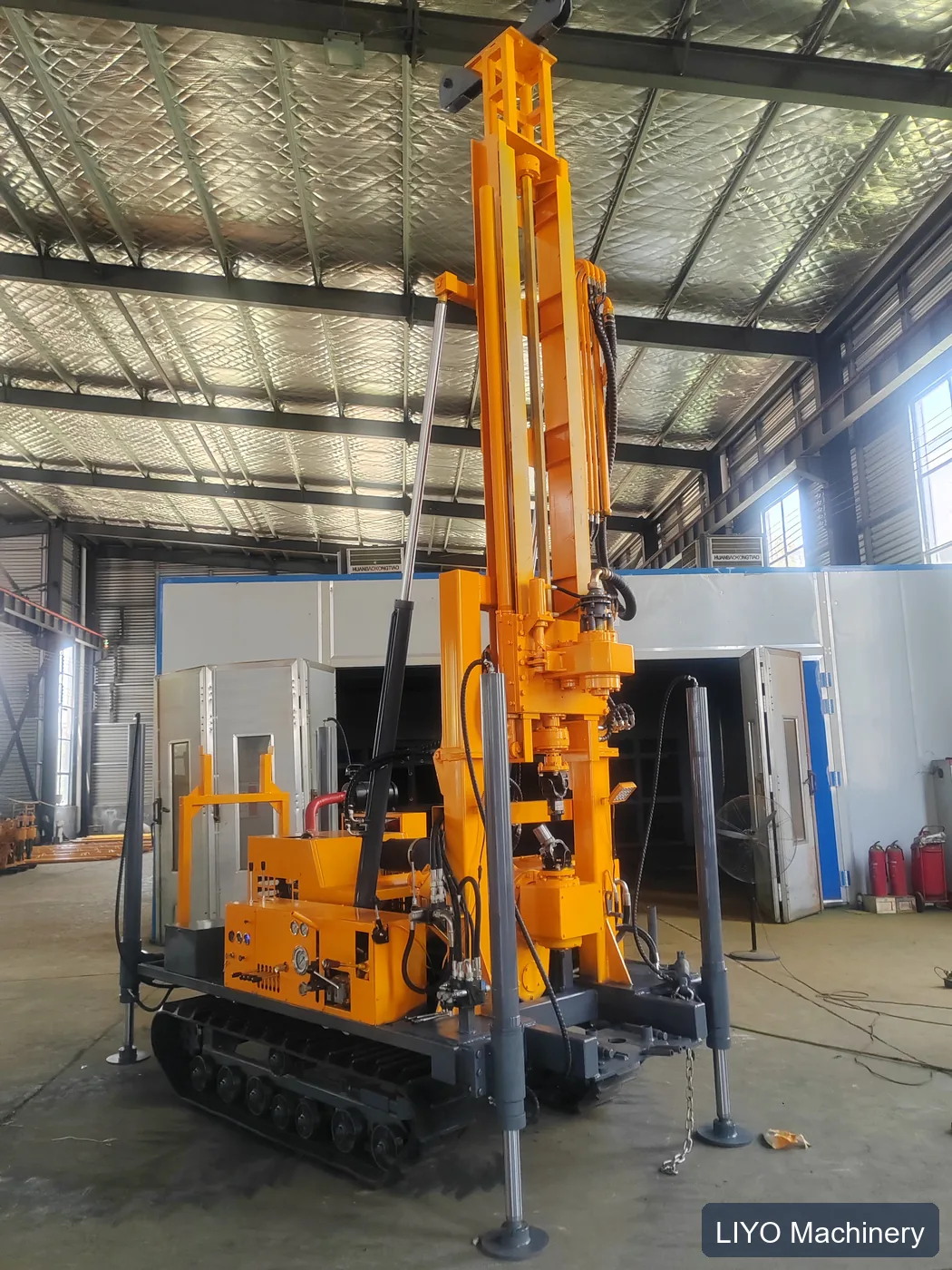
What Is a Hydraulic Drilling Rig?
A hydraulic drilling rig uses pressurized hydraulic oil to operate functions such as drill-head rotation, feed, pullback, mast movement or leveling. The exact hydraulic scope differs by model. Some rigs use hydraulic feed with mechanical rotation, while full-hydraulic machines use hydraulic motors for both rotation and feed.
Hydraulic Power Source
An engine or electric motor drives the hydraulic pump. Pump flow and pressure must match the motors, cylinders and control valves.
Drilling Output
Useful performance depends on rotary torque, rotary speed, feed force, pullback force, lifting capacity and the matched rods and bits.
Main Parts of a Hydraulic Drilling Rig System
| Component | Function | Buyer Check |
|---|---|---|
| Engine or electric motor | Provides power for the hydraulic pump and auxiliary systems | Fuel availability, emission requirement, voltage and service access |
| Hydraulic pump | Creates oil flow for rotation, feed and lifting | Rated pressure, flow, seal condition and spare-parts availability |
| Control valves | Direct oil to the required motor or cylinder | Smooth response, neutral position, leakage and clear control labels |
| Hydraulic motor | Converts oil flow into rotary movement | Torque, speed range and compatibility with rod diameter |
| Feed and lifting cylinders | Apply drilling pressure and pull the drill string | Stroke, pullback force, rod handling and hose protection |
| Tank, filter and cooler | Keep oil clean and control temperature | Filter access, cooling capacity and correct hydraulic oil |
| Drill rods and bits | Transfer torque and cut the formation | Diameter, thread, length, bit type and total depth quantity |
Do Not Select a Rig by Hydraulic Type Alone
Start with the target depth, required borehole diameter and geology. Then confirm the drilling method, machine mobility, maintenance skills and complete tool package.
Normal Soil and Mud Rotary Work
For soil, clay, sand and mixed ground, a compact hydraulic feed rig with mud circulation can be a practical and economical solution.
Hard Rock and DTH Work
Hard rock requires more than a hydraulic machine. Confirm compressor pressure and air volume, DTH hammer size, bit diameter, drill rods and the rig's feed and pullback capacity.
Soft or Muddy Access
A crawler chassis can be more important than extra rated depth when the jobsite is wet, soft or too narrow for a towing vehicle.
Deeper Contractor Projects
More depth and larger holes require stronger rods, higher torque, better lifting margin and a realistic plan for tool weight and borehole cleaning.
Hydraulic Drilling Rig Maintenance Checklist
Keep Hydraulic Oil Clean
Use the specified oil, protect containers from dust and water, and do not mix unknown oils. Contamination damages pumps, valves and motors.
Inspect Hoses and Connections
Check abrasion, cracks, leakage and loose fittings before operation. Depressurize the system before maintenance.
Control Oil Temperature
Clean the cooler, maintain correct oil level and stop work if temperature or noise becomes abnormal.
Record Operating Hours
Keep service records for filters, oil changes, seals and wear parts so maintenance is based on evidence rather than memory.
Important Limitation for Hard Rock
Do not accept a guarantee that a small hydraulic rig will continuously drill unknown hard granite to its maximum rated depth. Actual capacity changes with hole diameter, formation, bit, flushing method and operator experience. Larger boreholes normally reduce practical depth margin.
For a direct system comparison, read Mechanical Top Drive vs Full Hydraulic Drilling Rig.
LIYO Models to Compare
Final configuration depends on depth, diameter, geology, drilling method and site access.
Continue the Equipment Selection Process
Questions From Drilling Equipment Buyers
Is every hydraulic drilling rig fully hydraulic?
No. Some machines use hydraulic feed and lifting but mechanical rotation. Confirm which functions are hydraulic before comparing models.
What information is needed to select a hydraulic drilling rig?
Provide target depth, borehole diameter, geology, drilling method, road condition, available power or fuel and destination country.
Can a small hydraulic drilling rig guarantee maximum depth in hard granite?
No responsible supplier should guarantee maximum depth in unknown continuous hard rock. Diameter, formation, tools, flushing and operator experience all change practical capacity.
What causes most hydraulic system problems?
Dirty oil, wrong oil, overheating, damaged hoses, loose fittings and delayed filter maintenance are common causes.
Need a Project-Based Rig Recommendation?
Send the target depth, borehole diameter, casing or pump size, ground condition, drilling method and project location. LIYO will recommend a practical machine and tooling package.