Full Hydraulic vs Mechanical Top Drive Drilling Rig
Many drilling contractors ask whether they should buy a mechanical top drive drilling rig or a full hydraulic drilling rig. The right answer depends on drilling depth, rock condition, torque demand, operator experience, service capability and whether the project uses mud pump drilling or DTH air drilling.
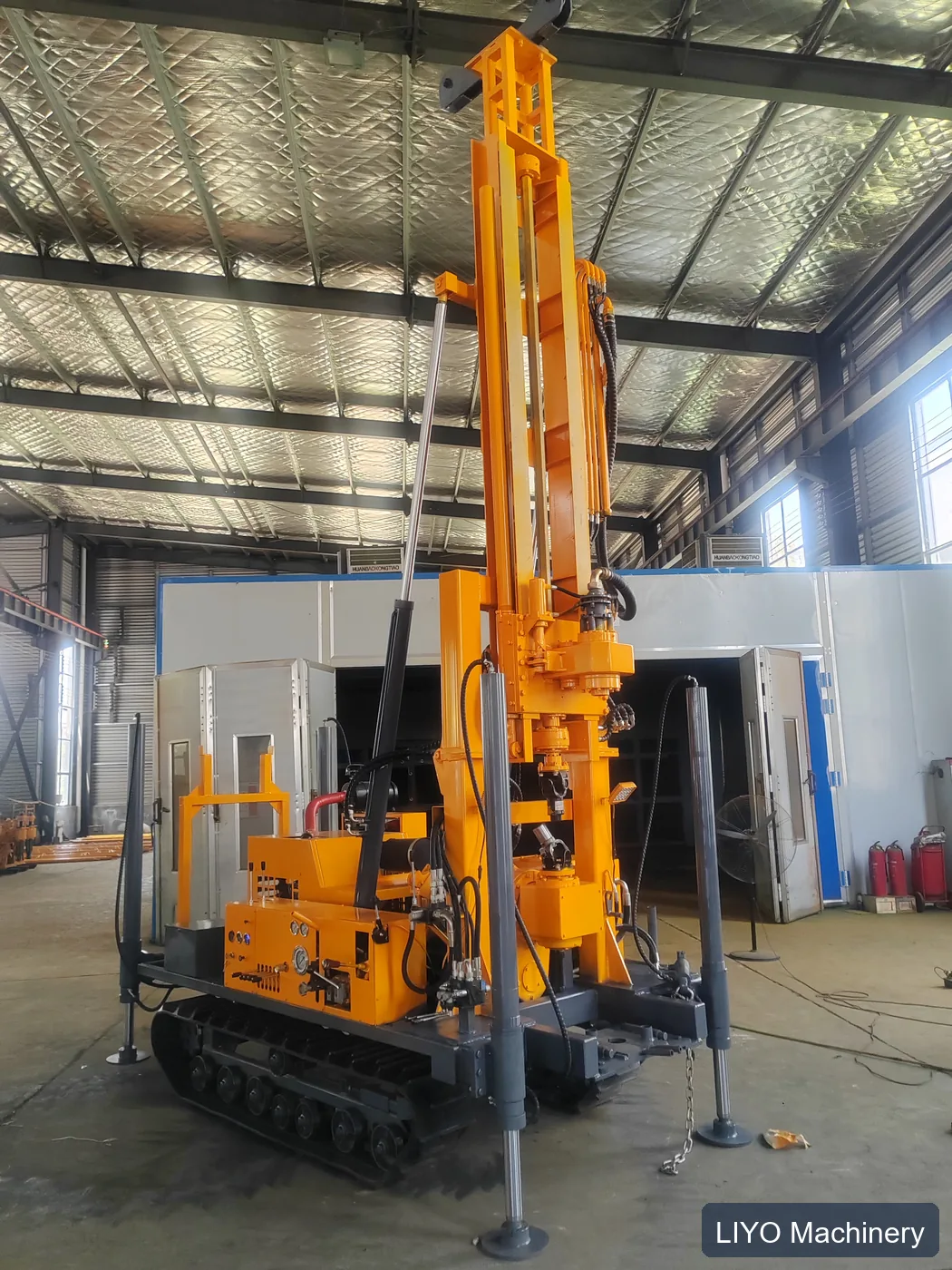
Mechanical Top Drive
A mechanical top drive rig rotates the drill string through a top head mechanical drive system. On models such as the LY-280 Mechanical Top Drive Drilling Rig, hydraulic feeding controls the feed stroke and drilling pressure.
Strong torque transferHydraulic feedFull Hydraulic Rig
A full hydraulic drilling rig uses hydraulic systems for major drilling motions, including rotation and feeding. It is often chosen where smooth control, compact hydraulic layout and modern operation are priorities.
Hydraulic rotationSmooth controlThe Real Decision
Buyers should compare the complete system: engine power, torque, feed force, lifting capacity, compressor match, mud pump, drill pipes, bits, spare parts and local service ability.
System selectionProject fitHow a Hydraulic Drilling Rig System Works
A hydraulic drilling rig uses an engine or motor to drive hydraulic pumps. Oil flow is controlled through valves and sent to hydraulic motors and cylinders for rotation, feed, lifting, leveling and other machine functions.
Hydraulic Pump and Oil Tank
The pump creates oil flow while the tank, filters and cooler help maintain clean oil and stable operating temperature.
Control Valves
Valves regulate direction, pressure and flow so the operator can control rotary speed, feed pressure and lifting movement.
Hydraulic Motors and Cylinders
Motors provide rotary motion. Cylinders provide feed, pullback, mast movement and leveling force depending on the rig design.
Maintenance Requirement
Hydraulic systems need clean oil, correct filtration, leak inspection, hose protection and technicians who can diagnose pumps, valves and motors.
The words hydraulic drilling rig do not describe one universal machine. Compare actual torque, feed force, lifting force, oil cooling, drilling tools and the matched mud pump or air compressor. Review LIYO's hydraulic drilling rig range and the LY-280 mechanical top drive rig.
Mechanical Top Drive vs Full Hydraulic Rig
| Selection Factor | Mechanical Top Drive Rig | Full Hydraulic Drilling Rig |
|---|---|---|
| Rotation System | Mechanical top head rotation, often combined with hydraulic feed | Hydraulic motor rotation and hydraulic feed control |
| Best Use | Water wells, DTH drilling, mud drilling and mixed formations where torque and practical maintenance matter | Projects requiring smooth hydraulic control and modern hydraulic operation |
| Maintenance | Mechanical drive parts and hydraulic feed system should be inspected regularly | Hydraulic pumps, motors, valves and hoses require clean oil and skilled service |
| Hard Rock Performance | Depends on torque, feed, DTH hammer, compressor and bit selection | Also depends on torque, feed, compressor and hydraulic system capacity |
| Operator Focus | Useful for teams familiar with mechanical transmission and hydraulic feeding | Useful for teams familiar with hydraulic control and hydraulic troubleshooting |
| Example LIYO Model | LY-280 Mechanical Top Drive Drilling Rig | LIYO hydraulic crawler drilling rig series depending on depth and configuration |
How to Choose for Real Projects
If You Drill Mixed Formations
Choose a rig that can work with both mud pump and DTH hammer. Mixed soil, gravel, weathered rock and hard rock often require changing methods during the project.
If You Need Deeper Wells
Depth alone is not enough. Confirm lifting capacity, drill pipe size, winch capacity, compressor demand and whether the rig can handle the tool weight at depth.
If Local Service Is Limited
Mechanical top drive systems can be attractive when operators want a practical structure and clear maintenance points. Full hydraulic rigs require stronger hydraulic service discipline.
If You Drill Hard Rock
Ask for compressor matching, DTH hammer size, bit diameter, air pressure and air volume. Hard rock success depends on the complete air drilling package.
If You Import the Machine
Check transport size, spare parts list, loading plan and whether the seller provides drill rods, bits, mud pump, compressor recommendation and wearing parts.
If You Are Comparing Prices
Compare the complete package, not only the base rig. Accessories, tooling, compressor, pump and spare parts can change the actual project cost.
Where the LY-280 Fits
The LY-280 Mechanical Top Drive Drilling Rig is suitable when contractors need a larger crawler machine with 300m mud drilling depth, 280m air drilling depth, 10 ton lifting capacity and 9800 N.m maximum torque. It is a strong option for water well drilling, hard rock DTH work and hard rock DTH boreholes where both drilling method flexibility and field service practicality matter.
Do Not Confuse the Terms
If a buyer asks for a full hydraulic rig, clarify the difference before quoting. The LY-280 has hydraulic feeding, but the rotation is mechanical top head rotation. This honesty helps avoid wrong expectations and improves long-term trust with professional buyers.
Questions to Ask Before Buying
| Question | Why It Matters |
|---|---|
| What is the target drilling depth and diameter? | Depth and diameter decide rig size, drill pipe, compressor and mud pump selection. |
| Is the ground soil, clay, sand, gravel or hard rock? | Formation decides whether mud drilling, air drilling or combined method is better. |
| Do you need DTH hammer drilling? | DTH drilling requires a matched air compressor, hammer, bit and air hose system. |
| Who will maintain the machine? | Mechanical and hydraulic systems require different service skills and spare parts planning. |
| How will the rig be shipped and moved onsite? | Transport size, weight and crawler mobility affect shipping cost and jobsite logistics. |
Mechanical Top Drive and Hydraulic Drilling Rig FAQ
Is a mechanical top drive rig old technology?
No. Mechanical top drive rigs are still practical where buyers need strong torque transmission, clear maintenance points and reliable field operation. The correct choice depends on the project.
Is full hydraulic always more expensive?
Not always, but full hydraulic systems can increase hydraulic component requirements and service discipline. Compare the complete configuration, not only the name.
Can a mechanical top drive rig use DTH hammer?
Yes, if the rig, compressor, hammer and bit are matched correctly. The LY-280 can work with DTH hammer air drilling under suitable conditions.
What should I send to LIYO before quotation?
Send drilling depth, hole diameter, geology, country, drilling method, expected accessories and whether you need compressor, mud pump, rods, bits and spare parts.
Compare LIYO Drilling Rigs
Need Help Choosing the Right Drilling Rig?
Send your drilling depth, hole diameter, formation, country and preferred drilling method. LIYO Machinery will recommend a practical rig configuration instead of only listing model names.